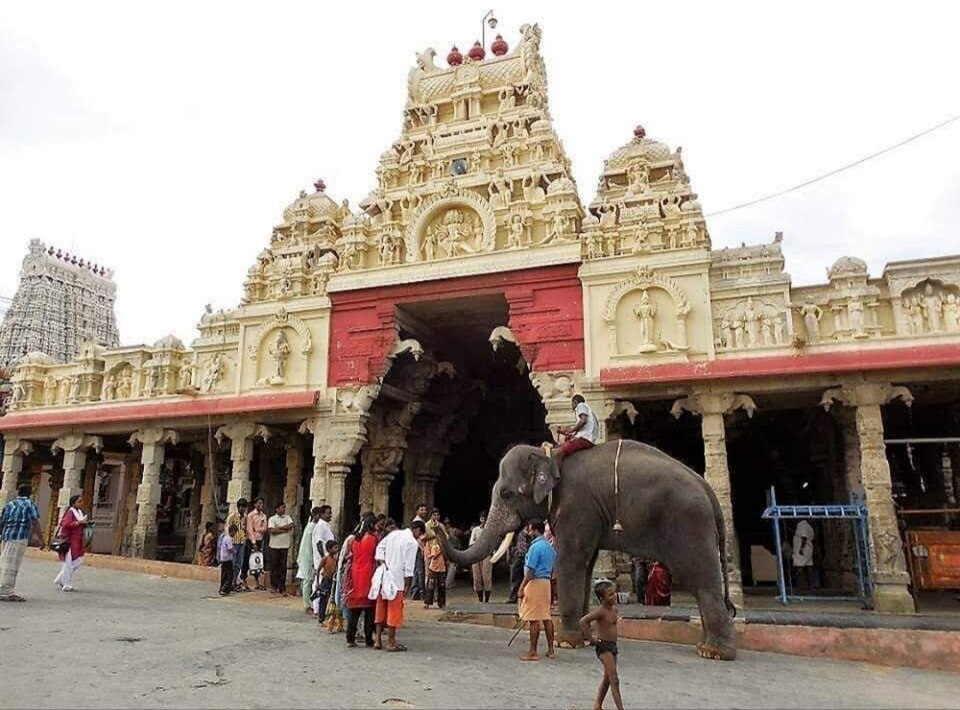
Types of darshan
All devotees enter the sanctum area through managed queue complexes. There are three main ways in, as published by the HR&CE temple administration:
| Queue | Hours | Good to know |
|---|---|---|
| Free (dharma) darshan queue | Entry to the queue closes at 7:30 PM. | No ticket needed. The longest wait at weekends, on Krithigai and Sashti days, and in festival seasons. |
| Senior citizens’ queue | Runs from 6:00 AM to 7:00 PM. | For elderly devotees; carry proof of age. Differently-abled devotees should ask staff at the entrance for assistance. |
| Paid (special) darshan queue | Ticket counters close at 6:30 PM. | A shorter, separate queue for a fee. Current ticket prices are displayed at the counters and on the official website. |
Queue timings can be extended or restricted on festival days. On days of very heavy crowds the administration sometimes suspends paid darshan so that the free queue moves faster.
Fees change. We do not list ticket prices because they are revised by the HR&CE Department from time to time. Check the official temple website or the counters for the current rate, and buy tickets only at official counters or through the official online service.
The most sought-after darshans
Viswaroopa Darshan (about 5:30 AM)
The first darshan of the day, after the Lord is woken with the Suprabhatam. Devotees see the deity before the day’s alankaram, and many consider it the most auspicious darshan of all. Plan to finish your sea bath and be in the queue by about 4:30 AM.
Udaya Marthanda Abishekam (about 6:15 AM)
The sunrise abishekam, when the moolavar is bathed with milk, curd, honey, panchamirtham, sandal paste and sacred water. Watching an abishekam is a deeply moving experience and mornings are usually less crowded than evenings.
Uchikala Pooja (10:30 AM to noon)
The midday abishekam and deeparadhanai. Easy to reach for day visitors arriving from Tirunelveli or Thoothukudi.
Sayaratchai Pooja (about 5:00 PM)
The evening pooja at sunset. The temple is busiest from late afternoon into the evening, particularly at weekends.
See the full order on our daily rituals page and exact times on temple timings.
Booking darshan and sevas online
The Tamil Nadu HR&CE Department offers online services for Tiruchendur, including booking of certain darshan tickets and sevas and online donations. Use only the links from the official temple website or the HR&CE portal.
Beware of fake booking sites and agents. Several websites and social media pages imitate temple services. This guide never sells tickets, never takes donations, and never asks for payment. If anyone offers “VIP darshan” for money outside the official system, do not pay.
Abishekam, archanai and other sevas
Devotees can sponsor or take part in a range of sevas. Tickets are sold at the temple’s seva counters; availability and fees are set by the administration.
- Archanai — chanting of the Lord’s names in your name and nakshatram. The simplest and most common offering; Ashtothram (108 names) and Sahasranamam (1,008 names) archanais are offered.
- Abishekam — sponsoring a sacred bath of the deity with milk, panchamirtham and other substances at one of the kala poojas.
- Shanmukhar archanai and abishekam — worship of the six-faced festival deity with Valli and Deivanai.
- Thirukalyanam — the celestial wedding of Murugan, sponsored by devotees praying for marriage and family harmony.
- Chariot and procession sevas — on certain evenings the deity is taken around the corridors in a decorated chariot sponsored by devotees, where offered.
Traditional offerings and vows (nerthikadan)
Tiruchendur is a place where devotees fulfil vows made in times of need. Common offerings include:
- Mudi kanikkai — offering one’s hair (tonsuring) at the temple’s designated tonsuring hall. Only use the official hall and its token system.
- Kavadi — carrying a decorated kavadi, especially during Thai Poosam, Panguni Uthiram and Kanda Sashti.
- Paal kudam — carrying pots of milk for abishekam.
- Kaadhu kuthu — ear-piercing of young children, traditionally done after tonsuring.
- Angapradakshinam — rolling around the corridor as an act of surrender, permitted at set times.
- Thulabharam — offering goods equal to one’s own weight (or a child’s), where arranged by the temple.
- Annadanam contributions — donating towards the temple’s free meal scheme.
Put cash offerings only in the official hundis or pay at the official counters against a receipt.
Prasadam: panneer ilai vibhuti
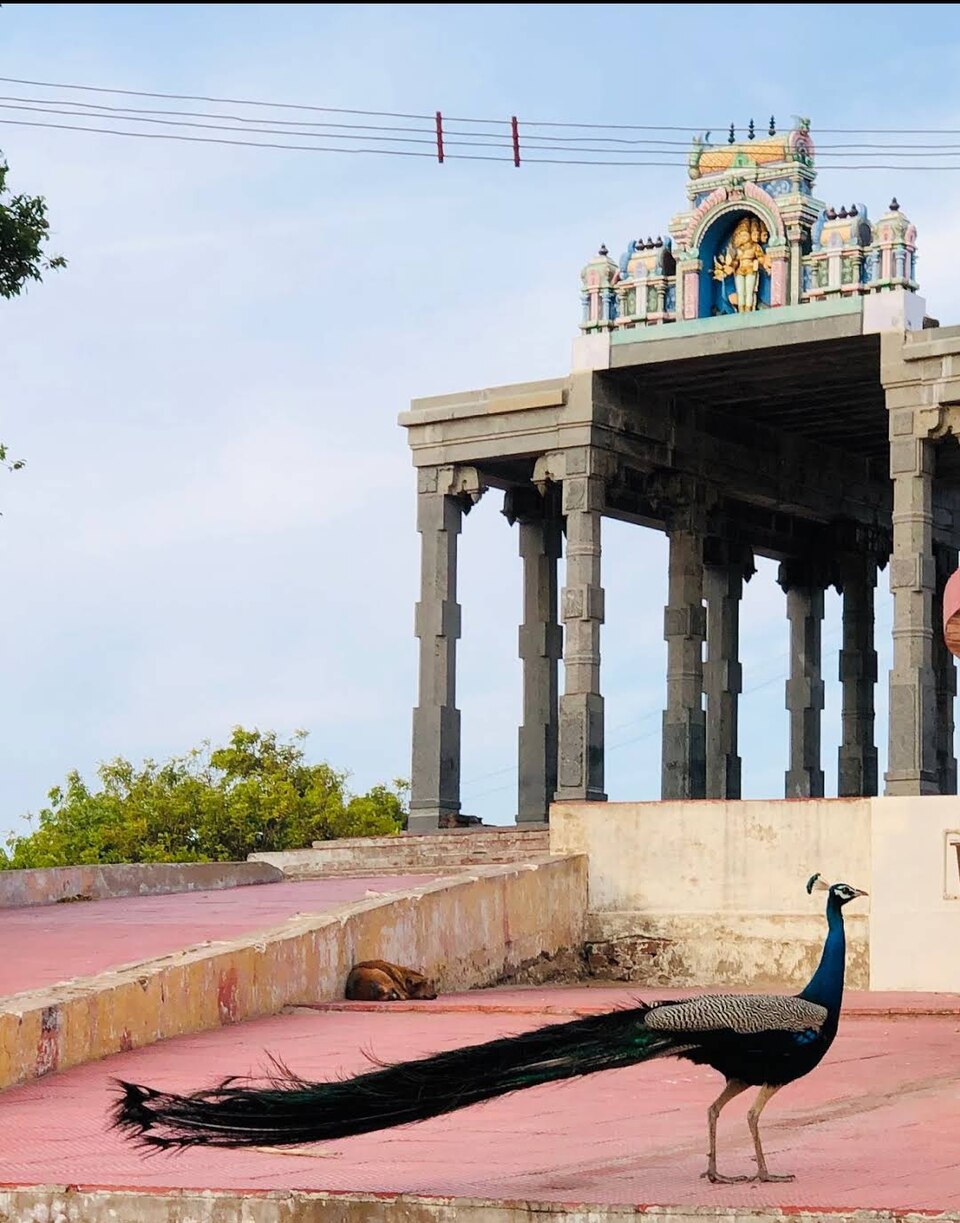
The prasadam most associated with Tiruchendur is panneer ilai vibhuti: sacred ash folded in a leaf of the panneer tree. Devotees believe it heals, and traditionally connect it with Adi Shankaracharya’s recovery from illness here. Pilgrims often carry it home for family members who could not travel. Sweet prasadam such as laddu is also sold at the temple’s prasadam stall.
Temple etiquette and rules
- Dress modestly and traditionally. Dhoti or trousers with a shirt for men; saree, salwar kameez or half-saree for women. Avoid shorts, sleeveless tops and beachwear inside the temple.
- Mobile phones and cameras are not allowed inside the temple. Use the deposit counters near the entrance. Photography of the sanctum is never allowed.
- Footwear must be left at the free footwear counters outside.
- Change into dry clothes after the sea bath before joining the queue; changing rooms are available near the shore.
- Follow queue instructions from temple staff and police, especially on crowded days.
- Do not accept offers from touts claiming to get you in faster.
Questions devotees ask
Is darshan free at Tiruchendur?
Yes. The free (dharma) darshan queue costs nothing and is open until 7:30 PM. Paid special darshan is optional and offers a shorter queue.
What time is Viswaroopa Darshan at Tiruchendur?
Viswaroopa Darshan is at about 5:30 AM on ordinary days, after the Suprabhatam. Times can vary on festival days.
How long does darshan take at Tiruchendur?
On weekday mornings darshan often takes 30 minutes to an hour in the free queue. At weekends, on Krithigai and Sashti days and during festivals it can take several hours. Paid darshan is usually faster.
Can I take my mobile phone into Tiruchendur temple?
No. Mobile phones are not permitted inside the temple. Deposit counters are provided near the entrance.
What is the famous prasadam of Tiruchendur?
Panneer ilai vibhuti, sacred ash wrapped in a panneer leaf, traditionally linked to Adi Shankaracharya’s healing at Tiruchendur.
Sources
We check every fact on this page against the sources below. If something has changed, please tell us.